
Resources, economies and resilience
A sustainable economy needs innovations that enable prosperity and social justice in harmony with planetary boundaries. This requires decoupling resource consumption from economic growth, new production and consumption practices and new models of prosperity.
The Sustainable Development Goals of the UN Agenda 2030 and the guiding principles of sustainable management point the way. Within these development corridors, concepts and practices of decarbonisation, circular economy, bioeconomy, zero waste, green IT, sustainable consumption and industrial ecology represent important guiding and implementation principles.
For the transformation to succeed, the task is to implement and apply these concepts in various economic sectors. The early recognition, monitoring and evaluation of technological, market, political and social developments, the analysis of development paths and the development of sustainable action strategies as well as the integration of users and stakeholders are of great importance.
Answers to the diverse challenges also require a long-term perspective on change processes that strengthens the resilience of the economy and society to crises. The research results provide orientation for corporate, municipal, civil society and political decision-makers and are developed in close exchange with them.
Team





Projects
A selection of projects from the past five years is presented below. A complete overview is available via the search.
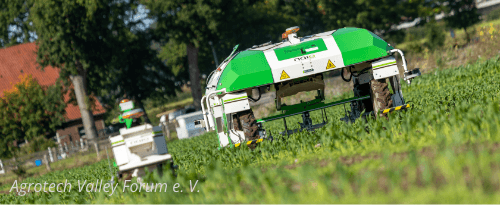
Agro-Northwest. Experimental field for digital transformation in agricultural crop production

Roadmap Future of Water Management

Crisis radar - Strengthening the resilience of society, politics and the economy through crisis prediction
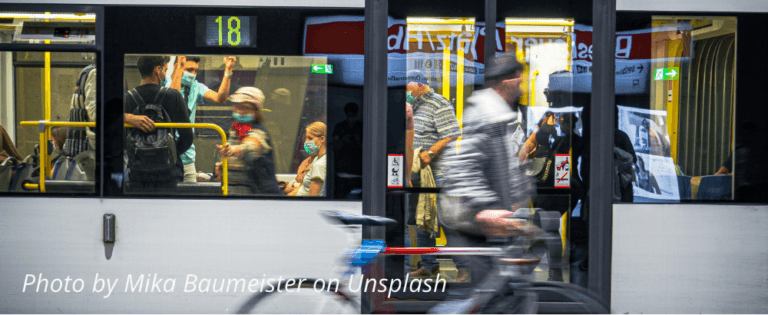
Public transport between the common good and commerce. Changing value creation structures through new mobility services

CiBER: Circular City Berlin - Pathways from Potential to Implementation
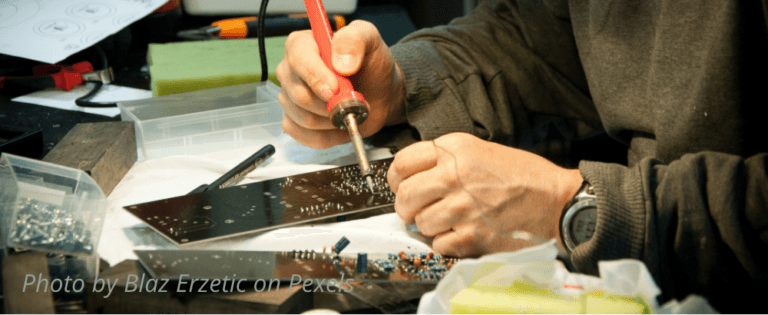
Concept for the implementation of a qualified repair network in Berlin

Ad papers and sustainability

bio:fictions. Co-creative design fictions of the bioeconomy with innovators, stakeholders and influencers

Comparative economic and ecological evaluation of innovative, stationary energy storage technologies in industrial production

Evolution2Green - Transformation Pathways to the Green Economy: Shaping the Path Change

Ecological optimisation of used appliances - Technical solutions for energy-efficient upgrading of used washing machines
Peer-to-peer sharing - Internet-based business models for collaborative consumption as a contribution to sustainable economic activity

Substitution as a strategy to reduce the criticality of raw materials for environmental technologies - potential identification for second-best solutions

Feasibility study on the establishment of a repair quality community in Berlin

From pioneers to urban practice - potentials of communal living to solve demographic and social challenges. Laboratory City Potsdam
Sustainability 2.0 - Modernisation approaches to the guiding principle of sustainable development
Economies of Transformation. Approaches to sustainable economic development

KliReX - Identifying and evaluating the greenhouse gas reduction potential of resource efficiency policies

[bio'nd] Outlooks into biobased futures

Re-Use Berlin 2020: Actions and measures to strengthen the reuse of second-hand goods in Berlin

Environmental opportunities and risks of digitalised public services in suburbanised areas - A concept study of the district of Wolfenbüttel
Re-Use Berlin 2019: Actions and measures to strengthen the reuse of second-hand goods in Berlin

Rebound effects through digital services and products

Evaluation of energy research funding in the building sector
Mobicheck - Mobile tips for climate protection

Integrated Roadmap Automation 2025+ "Sustainable raw materials supply"
Workshop discussion "Intergenerational Nuthetal"
Supply Chain Management - An explorative literature study
Innovation roadmap for the food industry
Horizon scanning: early detection for environmental policy
Intergenerational housing and living - strategies for local authorities
Green IT concepts for schools and green IT consumer information
Potential analysis for optimised software development and use to conserve resources
Comparison of print media and electronic media from an ecological perspective
Conserving resources in the field of information and communication technology
Product-related approaches in information and communication technology (computers, internet & co. - saving money and protecting the climate)
Material efficiency and resource conservation
From consumer to prosumer - developing new forms of trade and auction cultures to support sustainable consumption
Integrated technology roadmap Automation 2020+
Roadmap Urban Technologies 2030
Futures and visions of Forest 2100
Wood turnaround 2020+
Environmentally friendly innovation processes in the display industry
Automation 2015+
Conception and planning of digital solutions to promote sustainable consumption for a circular economy

Expertise and future workshop "Biodiversity parameters"
Konnekt - Inter-communal cooperation and transformation as the basis for a regional circular economy and sustainable regional development in the district of Saarlouis
Evaluation of the project "Support for market surveillance, part 2" as part of the National Action Plan on Energy Efficiency (NAPE)
Evaluation of the dialogue network for sustainable agriculture
zirkulierBAR - Inter-municipal acceptance for sustainable value creation from sanitary by-product streams
Technical evaluation and monitoring of the Land.Funk model and demonstration projects
Effect of state funding measures on the implementation of radon remediation measures in the residential sector - an analysis of potential